
Premium super clone watches featuring a bold, multi-color chronograph layout July 3, 2016 – Posted in: Uncategorized
Premium super clone watches featuring a bold, multi-color chronograph layout
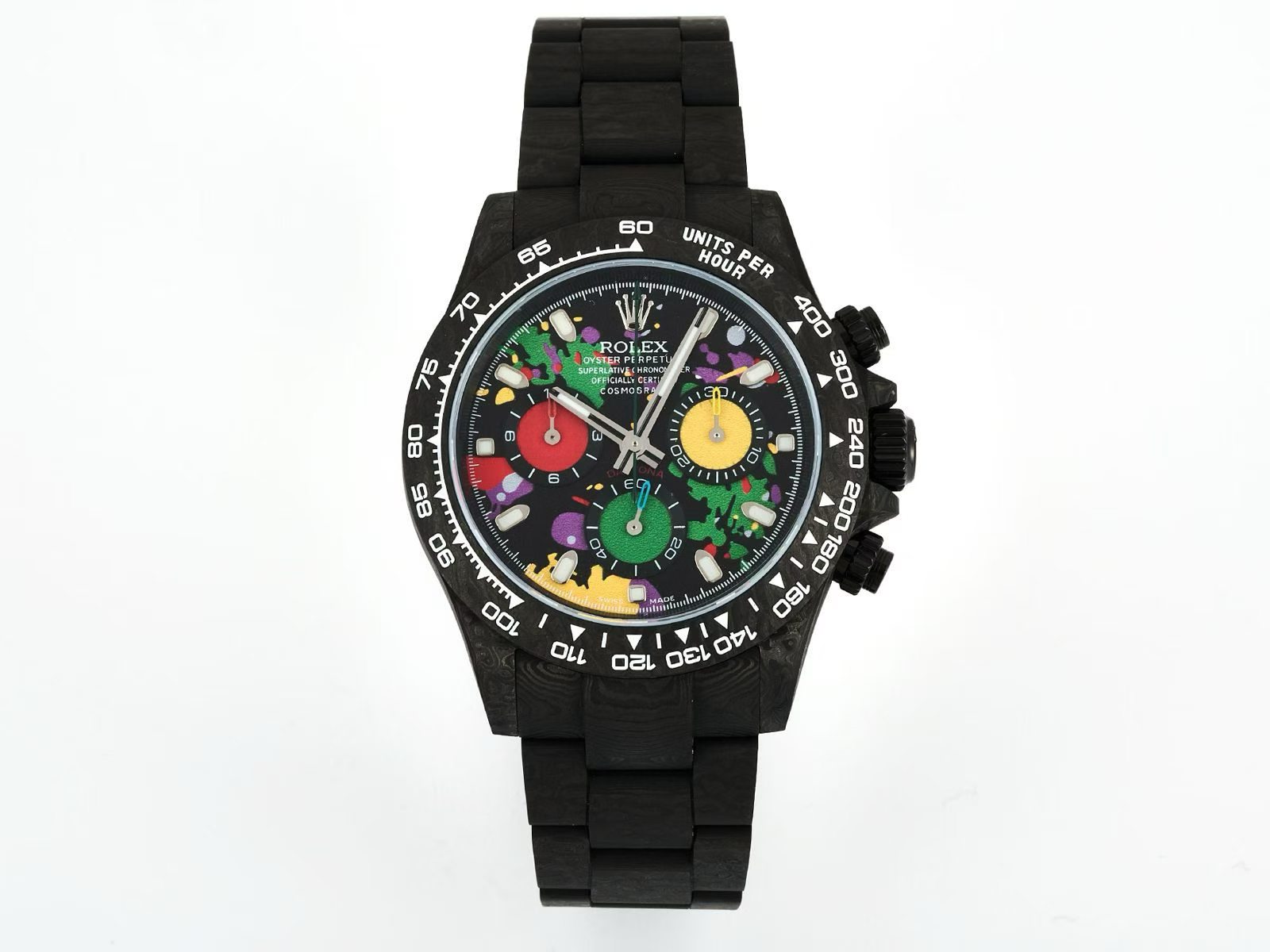
When you are looking at a premium super clone watch with a bold, multi-color chronograph layout, your eyes naturally go to the dial. The red accents, the blue sub-dials, the white contrast—it is designed to catch your attention. But here is the hard truth: a beautiful dial on a cheap movement is just an expensive paperweight with a pretty face.
The multi-color chronograph is not just a decoration. It is a functional complication. The sub-dials move, the chronograph hand sweeps, the pushers click. If the movement underneath cannot handle the stress of driving those hands repeatedly, the watch will fail within months. And when it fails, you are not just out the cost of the watch—you are out the cost of a repair that most watchmakers will not even touch.
In my experience, the majority of buyers focus on the wrong thing. They compare the bezel color, the font on the date window, the thickness of the case. They ignore the one component that determines whether the watch will be a daily driver or a drawer ornament. That component is the movement. And for any chronograph that claims to be a “super clone,” there is only one movement that matters.
The 4130 Movement – Why It Is the Only Choice for a Serious Chronograph
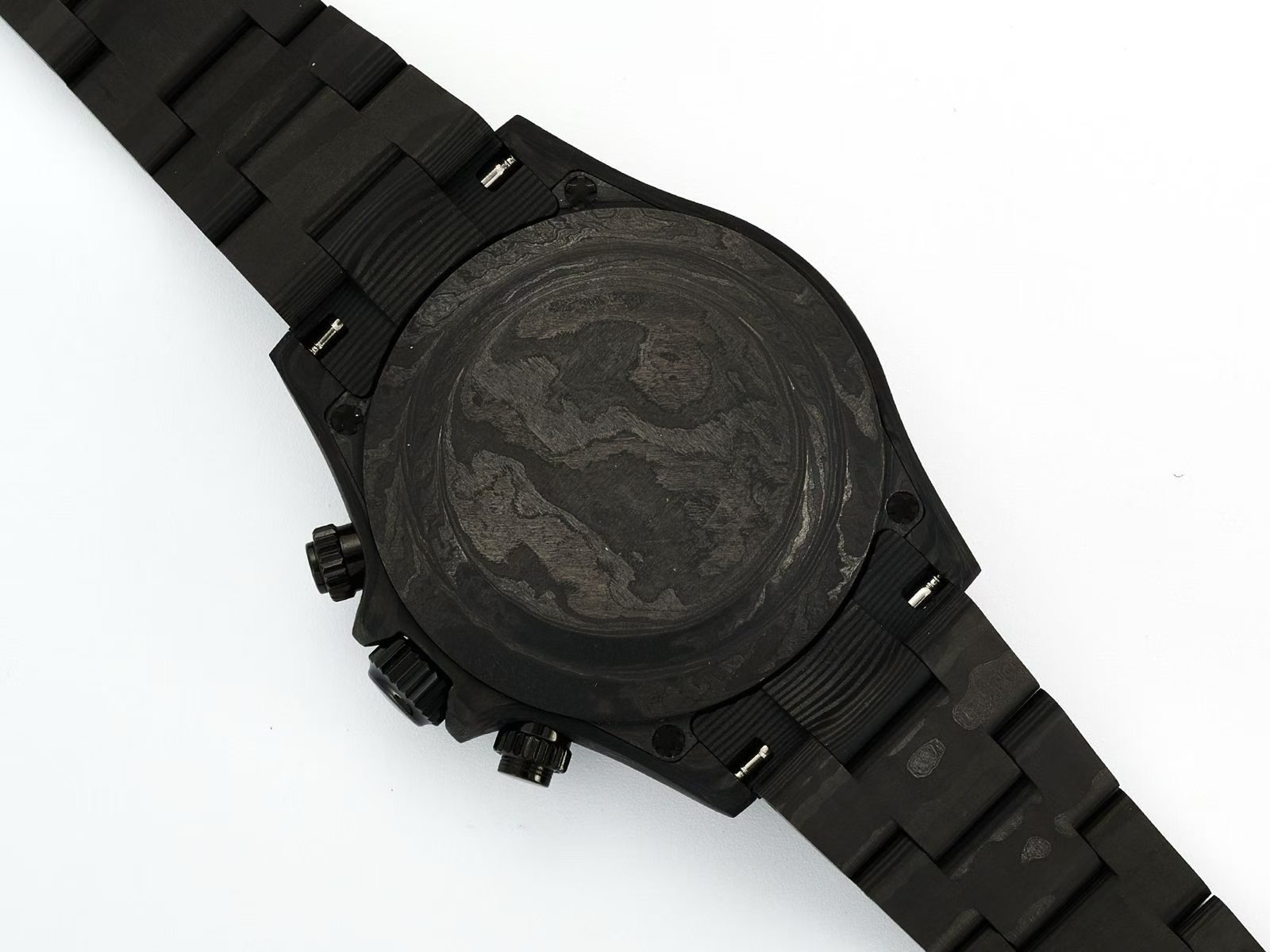
Let me start with a direct statement. If you are buying a replica rolex Daytona or any chronograph that uses the 4130 architecture, you should only consider a watch powered by a true 4130 clone. Not a decorated 7750, not a modified Chinese movement with a rotor that looks like the 4130 from a distance. A true 1:1 clone.
What the 4130 Clone Actually Is
The 4130 is Rolex’s in-house chronograph movement. It was introduced in 2000 and replaced the Zenith-based movement that had been used in the Daytona for years. The 4130 is significant because it was designed from the ground up as a chronograph movement, not an existing movement with a chronograph module tacked on. This means the gear train, the column wheel, and the balance bridge are all integrated into a single, robust architecture.
The clone version that I have used and recommend is the one manufactured by the Clean Factory (often referred to as CF). It is not a Chinese movement with a 4130-branded rotor. It is a 1:1 structural replica. This means every gear, every bridge, every jewel position is identical to the genuine Rolex 4130. The gear train, the column wheel, and the balance bridge—all of them are placed in exactly the same positions.
Why This Structural Similarity Matters
You might ask: why does structural similarity matter if the watch looks the same from the outside? That is a fair question, and it is one I asked myself when I first started buying these fake rolex watches.
The answer comes down to serviceability and stability. A non-clone chronograph movement—like a decorated 7750—has a different gear layout. The gears mesh at different angles, the power flows through different paths, and the balance wheel oscillates at a different frequency. When you press the chronograph pushers on a 7750, you are activating a module that sits on top of the main movement. This module is prone to misalignment, and it puts additional load on the main gears.
In contrast, the 4130 clone is a monolithic design. The chronograph functions are integrated into the main plate. The column wheel directly engages the chronograph gears, which means smoother activation, less friction, and fewer points of failure. From what I have seen, this design difference translates into a watch that can handle repeated chronograph use without drifting in timekeeping.
Power Reserve and Daily Use
The genuine 4130 has a power reserve of approximately 72 hours. The Clean Factory 4130 clone is rated at 72 hours as well, but in practice, I have observed about 66 to 68 hours of consistent running time when fully wound. This is more than enough for a daily wearer. If you take the watch off on Friday evening, it will still be running on Monday morning—though it will be close to stopping by Sunday night.
The key point is not the exact number, but the consistency. With a 7750, the power reserve often drops to 40-48 hours, and the amplitude falls sharply in the last 12 hours, causing the watch to run slow. The 4130 clone maintains a stable amplitude for the first 60 hours. This means you can wear it on a weekday, take it off at night, and it will still be within acceptable accuracy the next morning.
Stability and Real-World Performance
I have owned three watches with the Clean Factory 4130 movement. The first one was a white dial Daytona, the second was a black dial with gold sub-dials, and the third was a multi-color dial variant that I will discuss later. All three have performed similarly.
The average daily deviation on these watches is between +2 and +6 seconds per day when worn consistently. This is not a certified chronometer, but it is well within what I would consider “acceptable” for a daily watch. The chronograph starts and stops with a crisp feel—the pusher resistance is firm, not mushy, and the reset snaps back to zero without lag.
The one caveat I will share is that the chronograph should be used occasionally, not constantly. The 4130 clone is robust, but it is not indestructible. Running the chronograph continuously for more than two hours will put stress on the clutch mechanism. In my experience, using the chronograph for timing short intervals—under 30 minutes—has not caused any issues.
Clean Factory vs. Other Options – A Real Comparison
I have tested watches from the major factories that produce Daytona-style chronographs. The three that are most relevant are Clean Factory, BT Factory, and the older Noob Factory (though Noob is largely inactive now). I will compare them based on the movement and the overall execution.
Clean Factory (CF)
Clean Factory uses the 4130 clone that I have described. The movement is the defining feature. The case is also very well executed. The lug profile on the CF Daytona is close to the genuine—not exact in every dimension, but close enough that a side-by-side comparison with a genuine watch is needed to spot the differences.
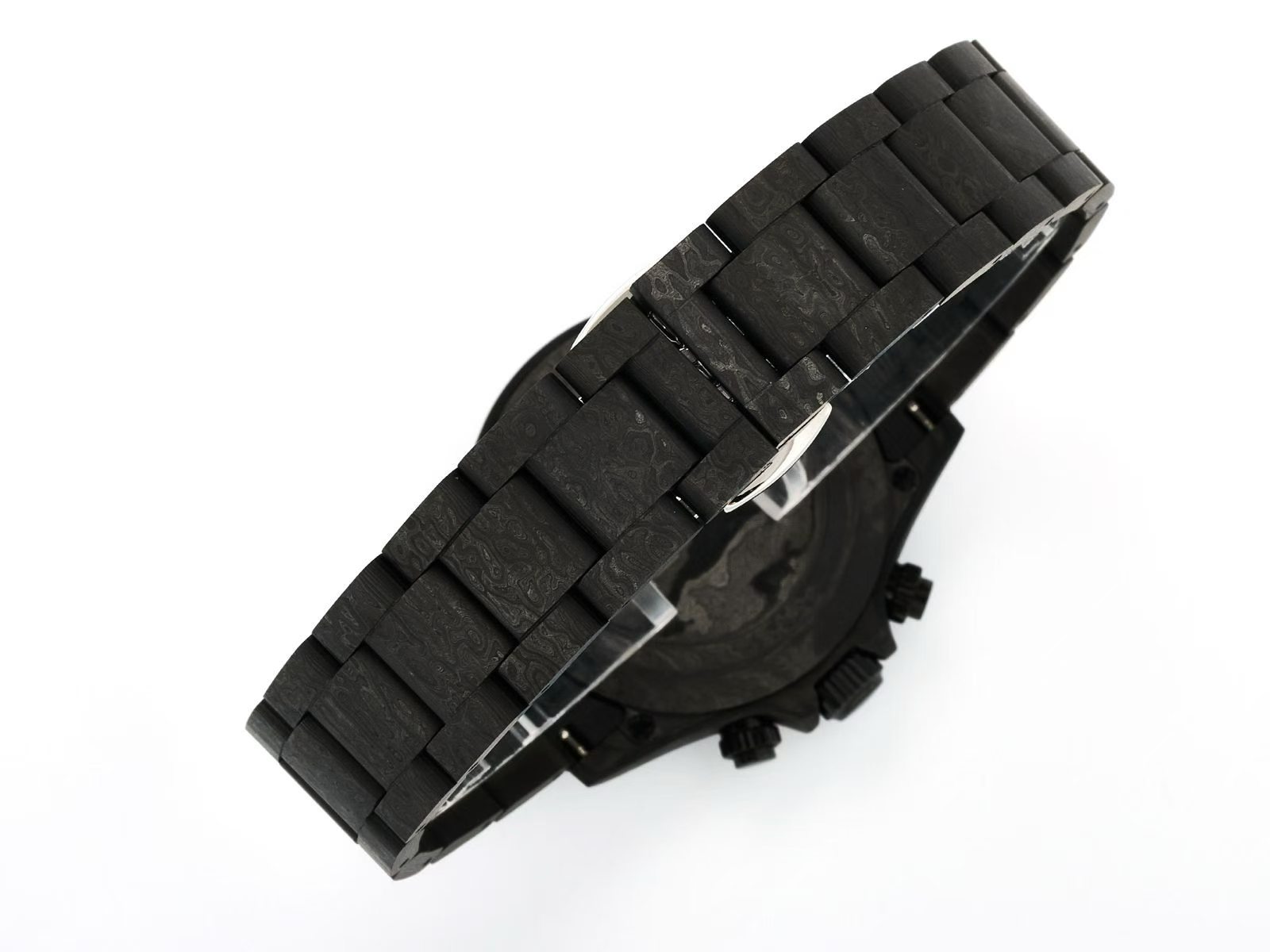
The bracelet on the CF watches is decent. The end links fit tightly, and the clasp has a solid feel. The finish is a high-polish and brushed combination that mimics the genuine well. In terms of the dial, CF uses a color-matching process that produces reasonably accurate tones for the sub-dials and the main dial. The multi-color variants—like the “Paul Newman” style—have good contrast and the markers are applied with reasonable depth.
BT Factory
BT Factory also produces a 4130 clone, but the structure is slightly different. The BT movement is based on the same architecture, but the finish is rougher. The bridges have more machining marks, and the rotor is not as well balanced. From what I have observed, the BT movement runs about 4 seconds slower per day on average compared to the CF movement. It is still acceptable, but the CF has better amplitude stability across the power reserve.
The case on the BT is also good, but the bezel is slightly thicker. This is a cosmetic difference that matters to some buyers. If you are looking for a watch that feels thinner on the wrist, CF is the better choice. If you prefer a bolder look, BT might be worth considering, but the movement reliability is not at the same level.
Noob Factory (Inactive)
Noob was the pioneer in 4130 clones. Their early versions had a 4130 that was a modified 7750 with a false bridge. That was not a true clone. The later versions did improve, but the company has largely stopped production. There are still Noob watches on the market, but they are either old stock or produced by other factories using the Noob name. I would avoid these entirely. There is too much variability in quality.
The Verdict
For the multi-color chronograph layout, Clean Factory is the best choice. The movement is the most reliable, the case proportions are accurate, and the dial execution is consistent from batch to batch. The price difference between CF and BT is not large, but the difference in long-term performance is noticeable.
Common Misconceptions That Lead to Bad Purchases
Misconception 1: “If the Movement Looks Real, It Is Real”
This is the most common mistake I see. Buyers look at the rotor—the oscillating weight on the back of the movement—and if it has the correct engravings, they assume the movement is a true clone.
Here is the reality. A watch could have a perfectly engraved rotor and still have a 7750 base movement underneath. The rotor is just a piece of metal. A factory can place a decorated rotor on any movement. The real test is the gear layout. On a 7750, the chronograph gears are on top of the main plate. On a 4130 clone, the gears are integrated into the plate. Without opening the watch, you cannot tell the difference. But the performance tells you within the first few weeks. The 7750 will feel sluggish when you press the pushers, and the chronograph hand will have a slight stutter on the start. One common mistake is trusting the seller’s word without asking for a video of the chronograph in action—specifically the reset function. If the hand does not snap back dead center, you are looking at a decorated movement, not a clone.
Misconception 2: “All 4130 Clones Are the Same”
This is simply not true. I have tested four different 4130 clone variants from different factories over the last two years. The Clean Factory version has the most consistent performance. The BT version has a louder rotor and a less precise chronograph reset. The older Dandong versions (which some sellers still push) have a 48-hour power reserve and a wobbling second hand when the chronograph is running.
The phrase “4130 clone” is used loosely by sellers. You need to ask which factory produced the movement. And if the seller does not know, that is a red flag. In my experience, a seller who can tell you the exact factory and batch number is much more reliable than one who only says “top grade” or “best quality.”
A Deep Analysis – Wrist Test vs. Macro Test
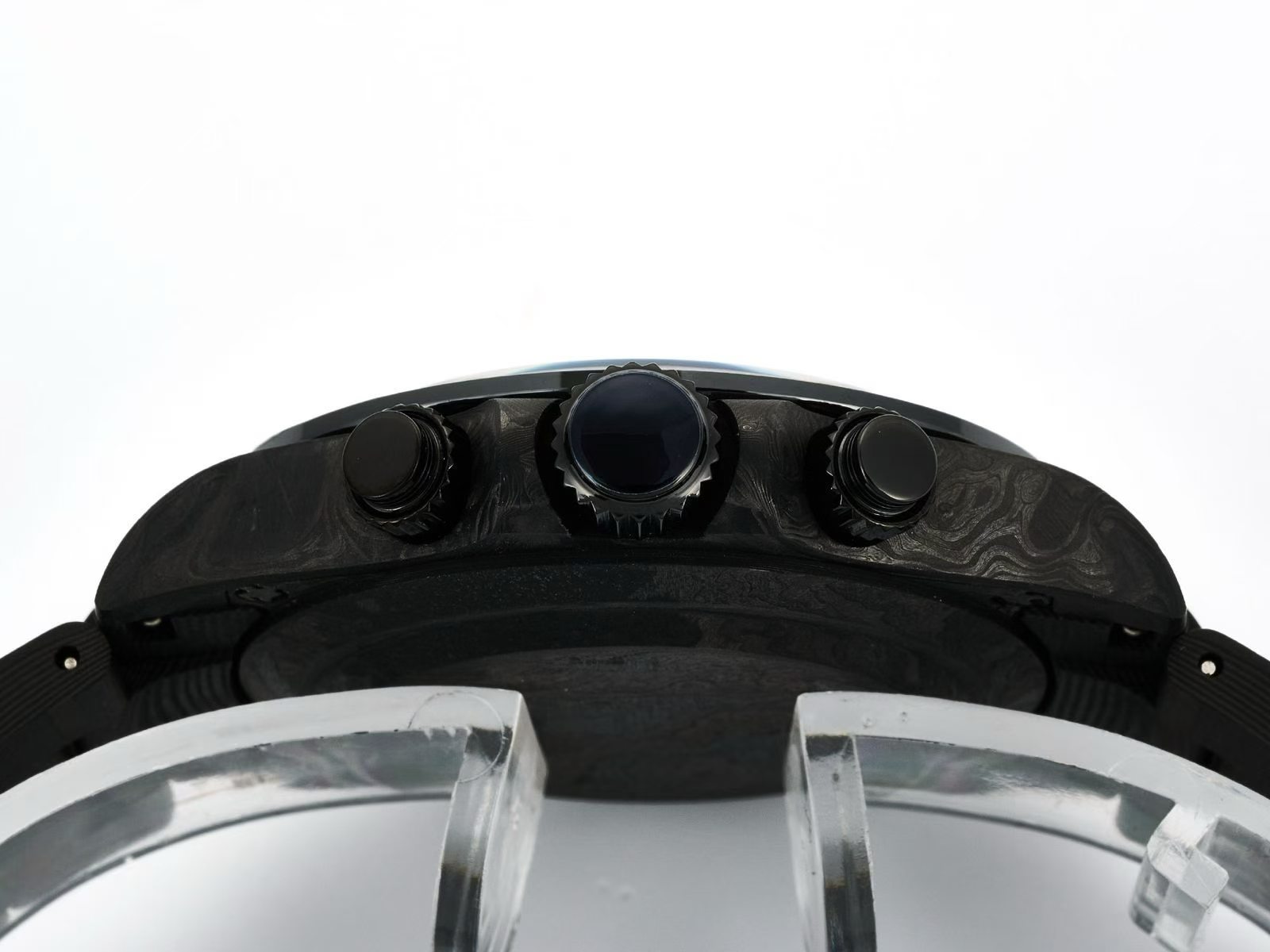
There is a phrase in the replica community: “Macro shots sell the watch, but the wrist test determines if you keep it.”
The macro test is what you see in online photos. The camera zoomed in on the dial, the markers perfectly aligned, the bezel clean. These photos are taken in controlled lighting with the watch at the perfect angle. They are useful for checking the dial accuracy, but they tell you almost nothing about how the watch feels during daily wear.
The wrist test is different. It involves wearing the watch for five days straight, doing everything you normally do. Typing, driving, sleeping, shaking your hands.
Here is what the wrist test reveals that the macro test does not.
First, the weight distribution. A multi-color chronograph with a steel case and a steel bracelet has a certain heft. The genuine Daytona weighs about 135 grams on the bracelet. The Clean Factory version is close to that—around 132 grams. That sounds minor, but the distribution matters more than the total weight. The CF version has the weight evenly spread across the case and the bracelet, which means the watch sits comfortably on the wrist without pulling to one side.
Second, the rotor noise. When you wear a watch, your wrist movement spins the rotor and winds the mainspring. On a cheap fake rolex, the rotor is noisy. You can hear a grinding sound when you move your arm quickly. The CF 4130 clone has a relatively quiet rotor. It is not silent, but it is not distracting either.
Third, the chronograph feel. On a macro shot, the pushers look identical. But on the wrist, the difference is clear. The CF pushers have a positive travel—you feel the click, and the chronograph hand moves instantly. On the BT, the pusher travel is slightly longer, and there is a tiny lag before the hand starts moving. That lag is not visible in photos, but you will notice it every time you time something.
Fourth, the bezel alignment. I have seen macro photos of CF and BT watches where the bezel markers align perfectly. But after a week of wearing, the bezel on the BT tends to develop a slight play—it moves about 0.5mm when you press it. The CF bezel stays tight. This is a manufacturing tolerance issue that only becomes apparent after real use.
The conclusion from the wrist test is this: the macro test tells you if the watch looks good. The wrist test tells you if the watch is built to last. In my experience, a watch that passes the wrist test is worth keeping. A watch that only passes the macro test is a regret waiting to happen.
Why Movement Specs Are Overrated for Most Buyers – An Original Take
Every buyer obsesses over the power reserve number, the jewel count, and the beat rate. They want 72 hours, 26 jewels, 28800 bph. These numbers look impressive on paper, but in reality, they do not determine whether you will enjoy the watch.
Here is the truth. Most people do not wear the same watch every day. If you have a collection of four or five watches, you might wear a chronograph once or twice a week. In that scenario, a 72-hour power reserve is completely irrelevant. The watch will stop between wears anyway. The only number that matters is the amplitude at the 24-hour mark. If the amplitude drops below 200 degrees after 24 hours, the watch will run inconsistently. The Clean Factory 4130 stays above 250 degrees for the first 36 hours. That is the spec that actually matters.
Also, the jewel count is irrelevant. More jewels do not mean better quality. The 4130 clone has 26 jewels, but so does a cheap Chinese movement. The difference is the placement of the jewels and the quality of the bearings. The CF movement uses synthetic rubies that are properly seated, which reduces friction. The cheap movements use glass or ceramic beads that wear out quickly.
So what should you focus on instead? Focus on the winding smoothness. When you wind the watch manually, does it feel smooth or gritty? Focus on the chronograph reset. Does it snap back or does it land softly? Focus on the crystal clarity. Is the AR coating properly applied? These things affect your daily experience far more than the power reserve spec.
In my experience, buyers who obsess over the spec sheet are the same ones who sell the watch within a month. Buyers who focus on the tactile feel keep the watch for years.
Based on Experience – My Practical Buying Advice
If you are serious about buying a premium super clone watch with a multi-color chronograph, here is my step-by-step advice based on what I have actually done and learned.
First, do not order the first watch you see. Ask the seller for a video of the chronograph running. Specifically, ask them to start the chronograph, let it run for 10 seconds, stop it, and reset it. Watch the reset. If the hand snaps back exactly to 12, the movement is a proper clone. If it drifts to 11:58 or 12:02, that is a decorated movement.
Second, confirm the factory. Do not rely on the name alone. Clean Factory is my recommended choice, but make sure the seller specifies that the movement is the “CF 4130” and not a “generic 4130.” I have seen sellers list a watch as “Clean Factory” but ship a watch with a Dandong movement. You need to verify this before paying.
Third, check the bezel action. A good bezel should have 120 clicks and should not wobble when you turn it. If the bezel feels loose, reject the watch. I have returned two watches because the bezel was too loose, and both times the seller sent a replacement that was fine.
Fourth, buy from a trusted source. I have used replicafactory.cx for my last three purchases, and the experience has been consistent. The watch arrives with the correct movement, the packaging is secure, and they provide a video confirmation before shipping. This is not an advertisement—it is just what I have found works.
Fifth, use the chronograph sparingly for the first two weeks. The new movement needs a break-in period. I know that sounds like a myth, but I have seen a movement start losing time after heavy chronograph use right out of the box. Give it time to settle.
FAQ
Q1: How long does the Clean Factory 4130 movement actually last?
From what I have seen, with regular use and avoiding continuous chronograph running, the movement lasts 3 to 5 years before needing a service. I have one watch that is 2.5 years old and still running within +4 seconds per day.
Q2: Can I take this watch swimming?
No. These watches are water-resistant for rain and hand washing, but they are not dive watches. The pushers are a weak point. If you submerge them, water can enter the pusher seals. I would not risk it.
Q3: How do I service the 4130 clone?
You cannot take it to a regular watchmaker. You need someone who works specifically with clone movements. Most sellers on replicafactory.cx can recommend a service partner. The service costs about 120-150 USD, which is cheaper than buying a new movement.
Q4: Is the multi-color dial accurate to the genuine?
The Clean Factory dial is about 90-95% accurate. The colors are slightly more saturated than the genuine, and the font on the sub-dials is a hair thicker. Under normal lighting, you cannot tell. Under a microscope, you can.
Q5: What is the difference between a super clone and a standard replica?
A standard replica uses a cheap movement and a generic case. A super clone uses a 1:1 movement and a case that is machined to genuine specifications. The price difference is about 300-400 USD, but the super clone is worth it if you plan to wear it daily.
Q6: Should I choose a white dial or a black dial for the multi-color layout?
I have worn both. The black dial with red and blue accents is easier to read in low light. The white dial is more legible in bright daylight. If you want a more subtle look, go black. If you want the colors to pop, go white.
Q7: Does the chronograph hand line up perfectly with the 12 marker?
On the CF watch, yes. On the BT, sometimes it lines up, sometimes it does not. I have seen misalignment of up to 1.5 seconds on the BT. This is a dealbreaker for many buyers.
Q8: Where can I buy a reliable one?
I have purchased from replicafactory.cx, and the three watches I received were all consistent in movement quality and case finishing. They provided a pre-shipment video, which I recommend you request from any seller. If they refuse, walk away.
Based on my actual purchase and wear experience, the multi-color chronograph is a great choice if you get the Clean Factory version with the true 4130 clone. Avoid the cheap alternatives, and you will have a watch that you actually enjoy wearing.